Deliver Us from Evil · the opening
The Drowned Village
Monday 13 August, 21:16. Lake La Concepción, in the mountains above Marbella.
Karl Petersen and his friend Erik are two weeks into a holiday from Denmark, with two nights left. This afternoon they hired canoes on a reservoir the drought has almost drained. This is Karl’s phone.
Swipe up to unlock it. Read the messages, look through the photos. It’s his phone; look wherever you like.
Messages are shown translated from Danish. The photos are real places standing in for Karl’s; credits below.
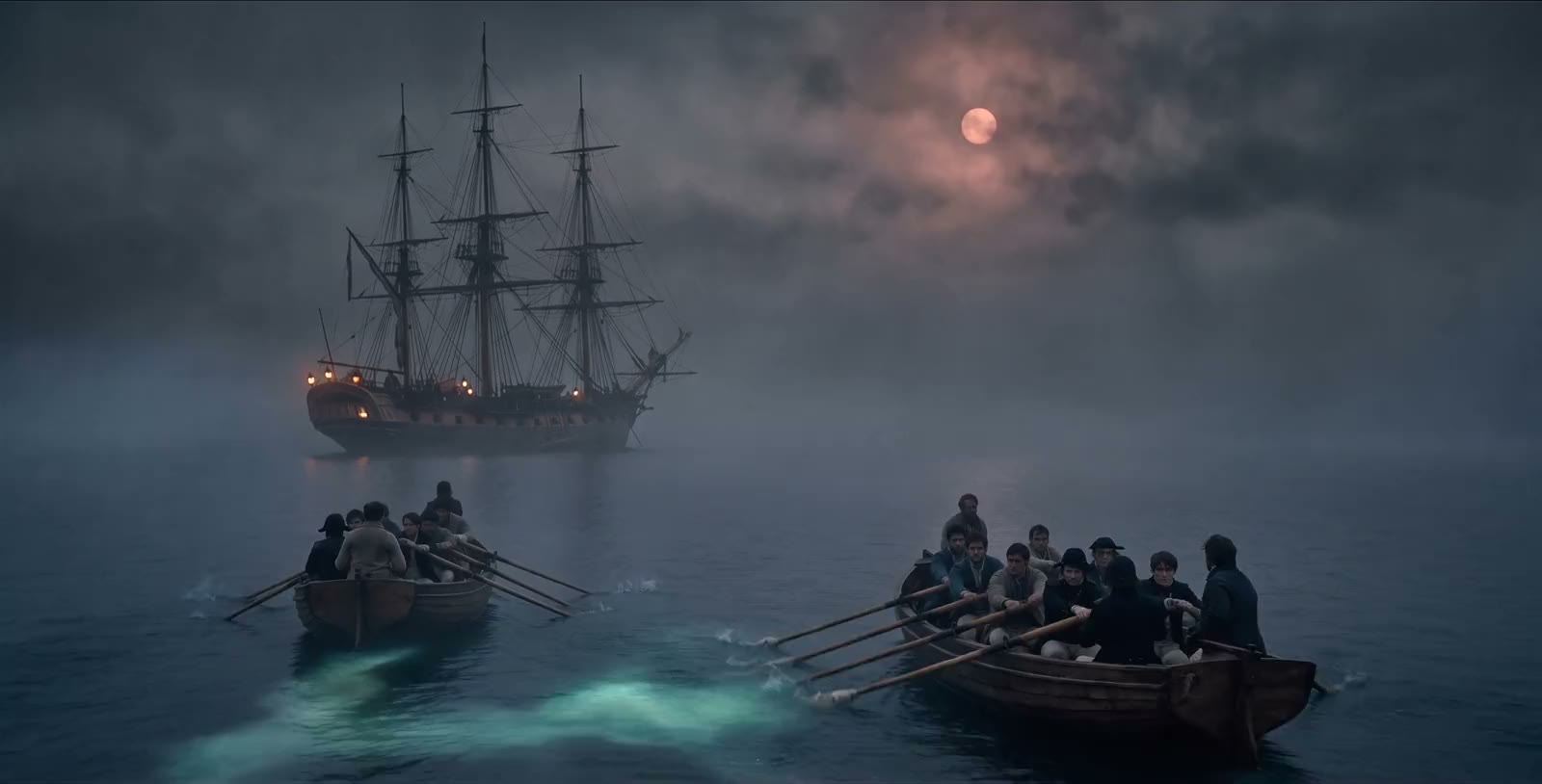
February 1807 · The Black Sea, off Rumelia
Two centuries earlier
Two long boats slip away from HMS Raquel through the sea mist. Through the gaps, a copper-red full moon. In the prow sits Captain Richard Bulkeley, who learned to sail on the Menai Straits below his family’s estate at Beaumaris.
His orders: meet Russian troops on an enemy shore, at night, and take possession of a sealed package. He had asked the Admiral how big.
‘A crate… a man-sized crate.’
‘The crate must remain sealed… if all you hold dear matters anything to you, you will obey that order come what may.’
‘No uniforms, sir. They’re cloaked, but one appears to be a priest.’
‘A priest! The Admiral made no mention of a priest.’
‘He appears to be blessing something, sir.’
Deliver Us from Evil
A drowned crypt in Spain. A sealed crate on a Black Sea beach. A ruined mansion on Anglesey.
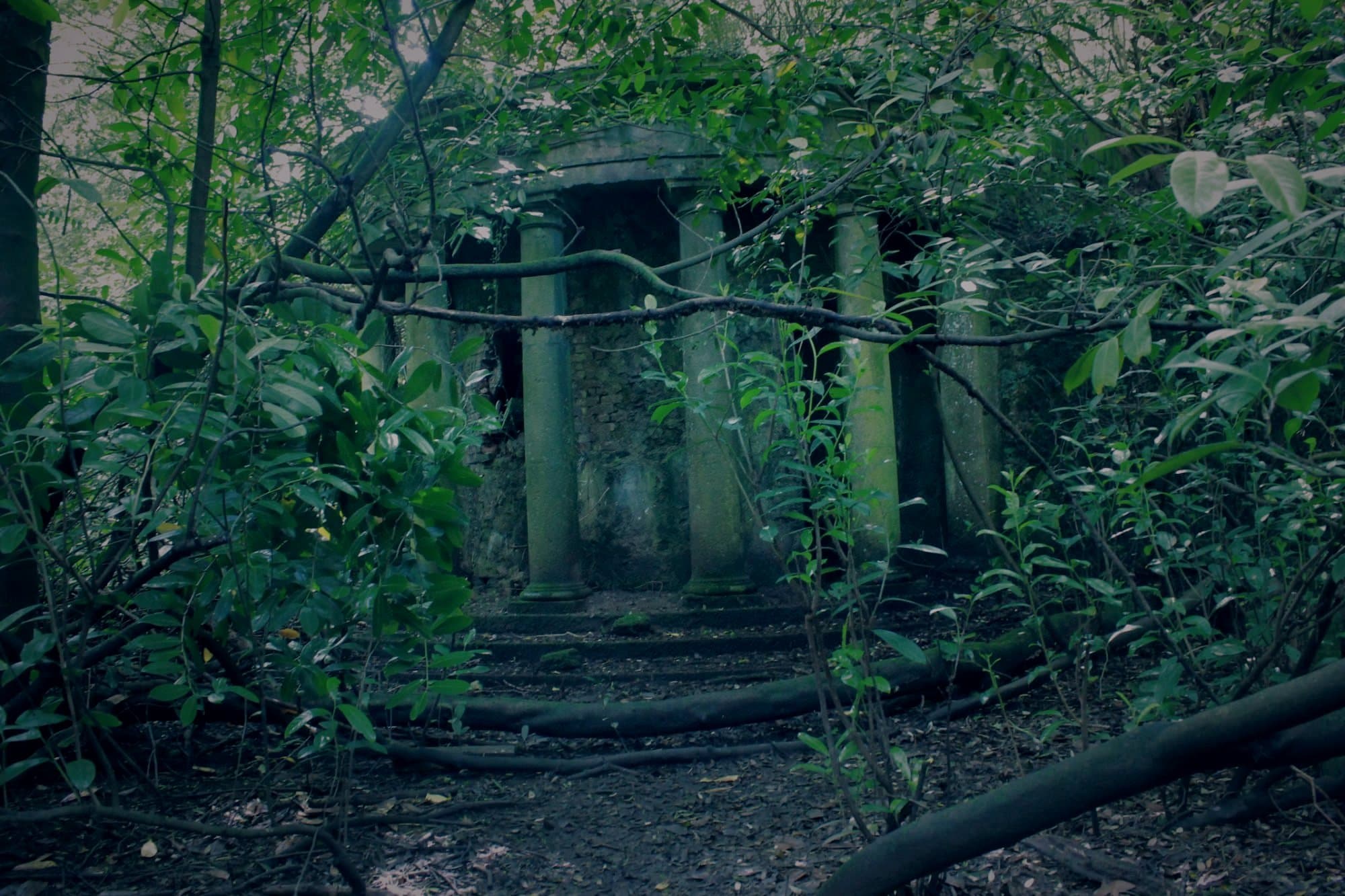
This is where Philip Maxwell’s novel begins. What Erik finds at the bottom of the steps stays in the manuscript, which is available to producers on request.
Photo credits
Karl’s photos are stood in for by real photographs of Marbella, Puerto Banús and the Embalse de la Concepción, and by drought-exposed ruins and an old church elsewhere in Spain.
- Sunset over an aircraft wing: Paul-Vincent Roll, CC0
- A beach promenade in Marbella with palm trees: Konrad Hädener, CC BY 2.0
- Yachts and supercars along the harbour road at Puerto Banús: Zarateman, CC0
- The marina at Puerto Banús at dusk, the mountain behind glowing pink: kallerna, CC BY-SA 4.0
- A reservoir in the mountains, the water low and its banks bare: Montuno, CC BY-SA 2.0, warmed
- The bow of a canoe on still water at sunset: Joshua Ness, CC0
- Zoomed in: ruined stone walls standing on the dry lake bed at the water's edge: Amadalvarez, CC BY-SA 4.0, cropped and graded to evening light
- Inside a roofless church at dusk: brick arches against a darkening sky: Nicolás Pérez, CC BY-SA 3.0, cropped and darkened to dusk
- Almost black: the top of narrow stone steps going down, lit by a tiny flame: ceridwen, CC BY-SA 2.0, darkened, blurred and lit as if by a lighter
- Map: OpenFreeMap, © OpenStreetMap contributors